
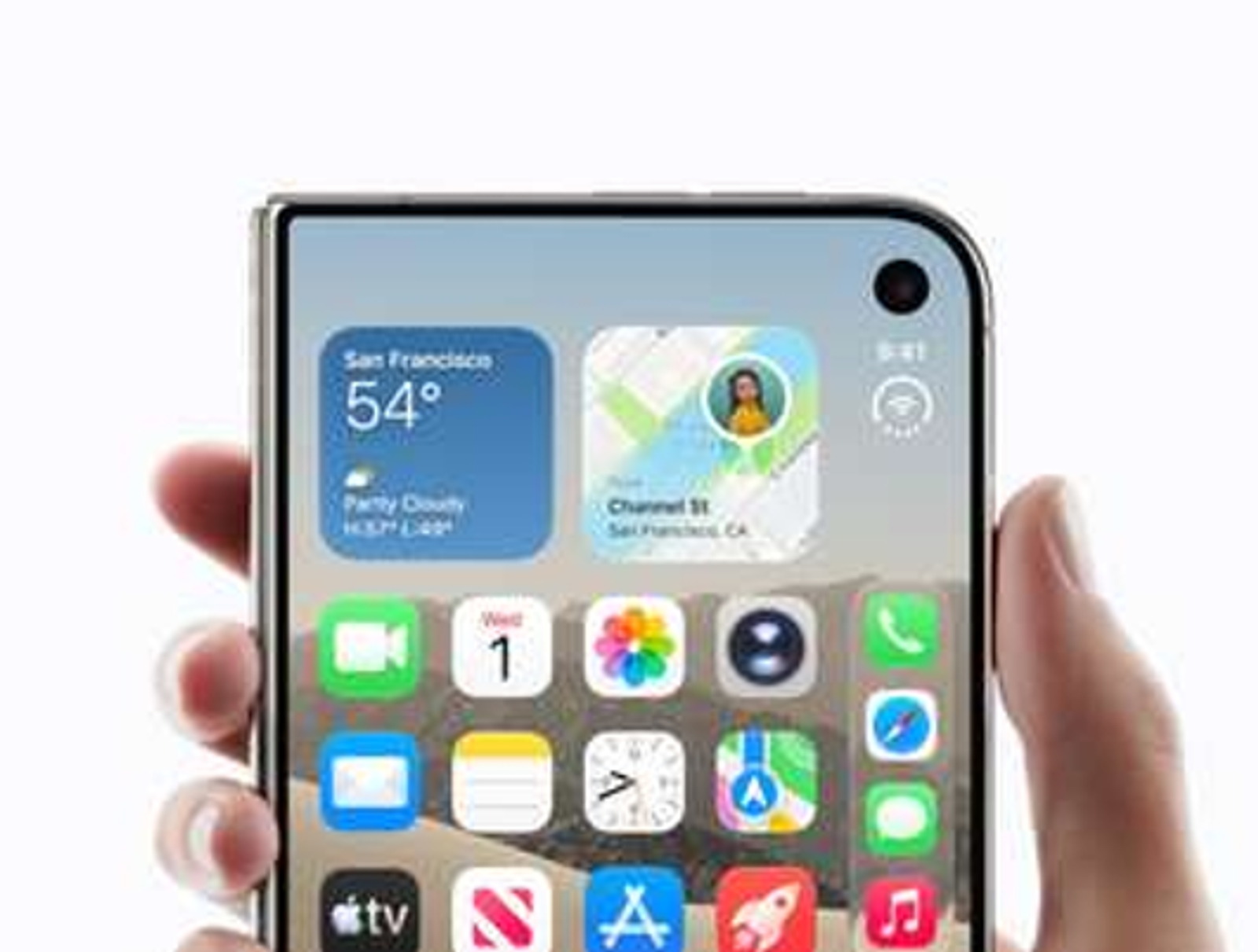
Apple spent a decade insisting folding phones were a fad, and its fans mostly believed it. On September 9, 2026, it announced the iPhone Duo — its first foldable, launching October 23 at $1,999 — and the internet reacted like this was brand new territory. It isn't. Two screens on one phone is one of the oldest, most repeatedly abandoned ideas in the industry, and that history is the more interesting story here.
Here’s what Apple actually shipped: a book-style fold with two working displays, a 7.6-inch inner screen and a 5.4-inch outer one, both running ProMotion at up to 3,000 nits with a nano-texture coating to fight creasing and glare. Under the hood: an A20 Pro chip, titanium frame, Ceramic Shield, IP68 water resistance, and roughly 24 hours of mixed-use battery life. The software pitch is Split View — two full apps side by side, not a stretched single one. It’s the most engineered version anyone has shipped of "two screens, one phone."
Which is exactly why the history matters.
Two screens on one phone is one of the oldest unsolved problems in the industry, and it has failed on a consistent schedule.
The Kyocera Echo (2011) put two 3.5-inch panels on a tilt-hinge that folded open into a makeshift 4.7-inch tablet — clever, clunky, and gone within a year, because Android simply wasn’t built for two screens yet.
The ZTE Axon M (2017) tried a swivel hinge that unfolded into one continuous display; same verdict, hardware arriving before the software did.
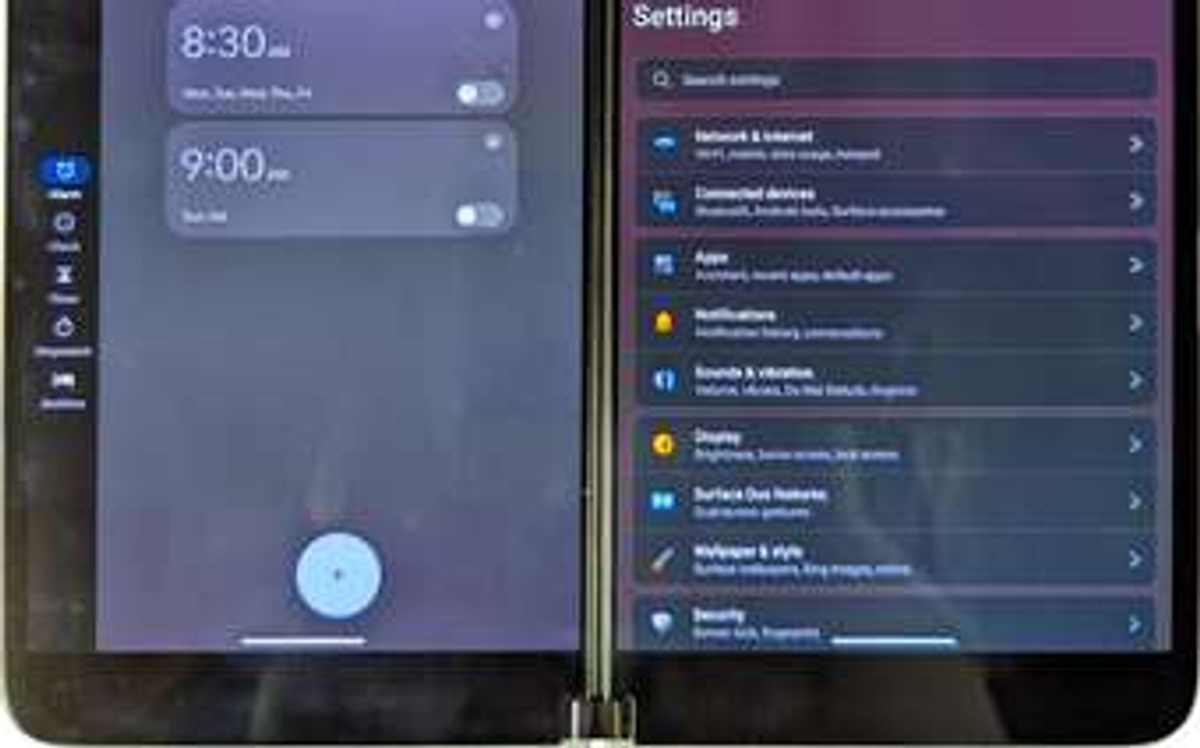
Microsoft’s Surface Duo and Duo 2 (2020-2021) were the most serious attempt before Apple’s — genuinely elegant book-fold hardware paired with software reviews that never stopped complaining, and Microsoft ended up the only major company still betting on the category, mostly alone.
The LG Wing (2020) swiveled a second screen out into a T-shape; it was LG’s last real swing at a phone before exiting the business entirely in 2021.
Asus went a different route with the ROG Phone’s clip-on TwinView Dock, a second-screen accessory built for gamers — niche by design, and it stayed niche.
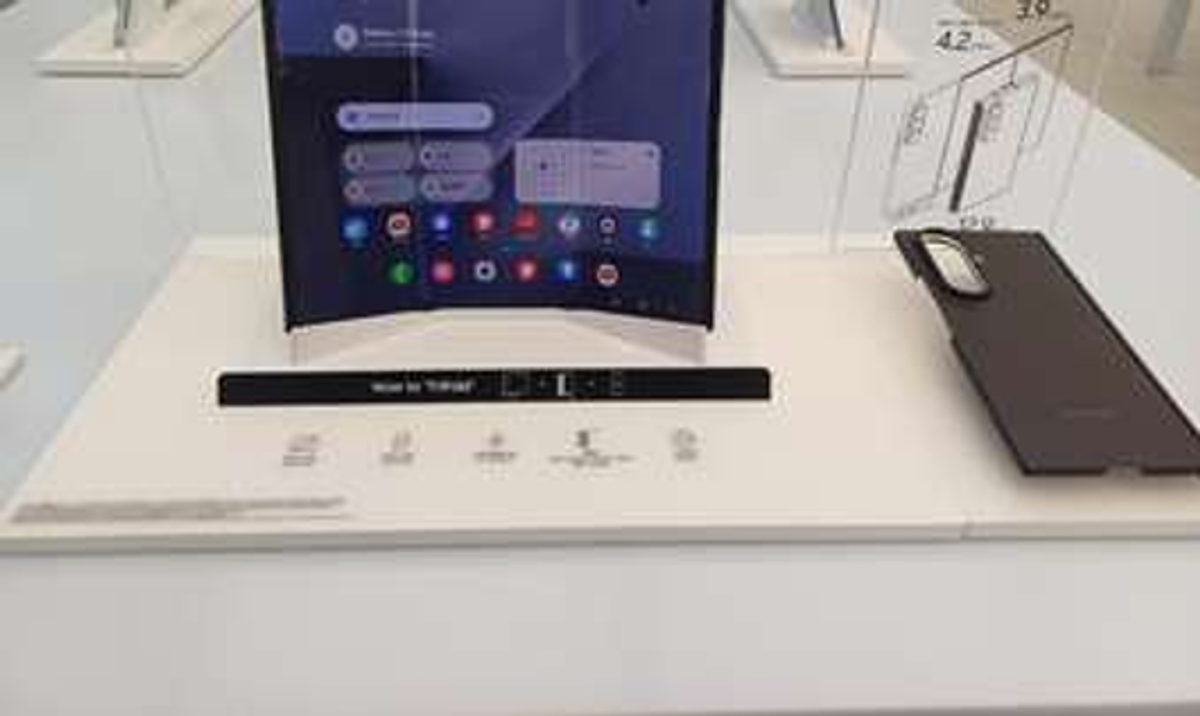
And the freshest cautionary tale isn’t even a year old: Samsung’s Galaxy Z TriFold launched in January 2026 at $2,899 with three folding panels, and was discontinued by March — three months, reportedly sold at a loss the whole time.
Every one of these hit some combination of the same three walls: a hinge or gap that compromised the experience, software that never quite caught up, and a price tag that made early adopters pay to beta-test the format.
There are early signs the Duo isn’t fully clear of that pattern either.
Reception so far is mixed, resale-value analysis is already projecting the Duo could lose close to $1,300 of value in its first year, and production reportedly only ramped to a few hundred units a day by late August, weeks after the announcement. Samsung, meanwhile, is reportedly weighing whether to accelerate a Z TriFold sequel in direct response to the Duo — which tells you the whole industry still treats this as an open question, not a solved one.
But Apple has a habit of showing up last to categories other companies opened, and un-flopping them. Smartwatches, wireless earbuds, and tap-to-pay were all “already tried, already failed” ideas before Apple’s version became the default, largely on the strength of tighter integration and a bigger installed base rather than a genuinely new idea. The Duo has more integrated software, more mature hardware, and a bigger ecosystem behind it than any of its five predecessors combined. That’s not nothing. It’s also not proof — Apple has shipped confident-looking first tries before that quietly got cheaper and thinner by generation three.
So here’s the actual question: is the iPhone Duo the device that finally makes two screens make sense — or is it just the best-funded rerun of an idea that’s died four times already?
Drop your pick in the comments: future of the smartphone, or Kyocera Echo with a better marketing budget?